




Table of Contents
A vein finder can make venipuncture easier when a vein is difficult to see or feel. However, not every clinical situation is the same. A device that works well for routine venipuncture may need different features when it is used with children, oncology patients, or patients with deeper or less visible veins.
For hospitals, clinics, and medical equipment distributors, this makes performance an important part of the buying decision. Image clarity, detection depth, working distance, adjustment options, and portability can all affect how useful a vein finder is in day-to-day practice.
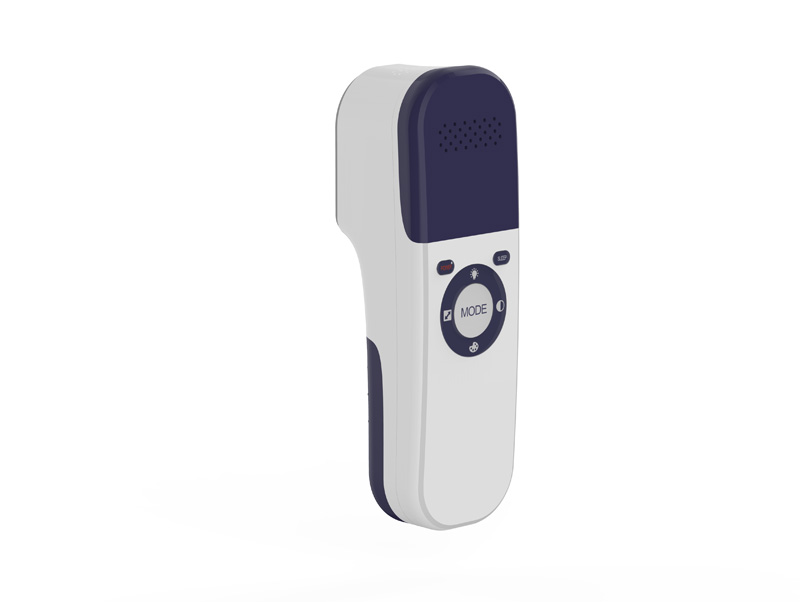


The QV-500 and QV-600 are designed for these different requirements. Both models provide real-time infrared vein imaging, while the QV-600 also includes features such as hair interference elimination, puncture guide lines, vein depth indication, and image storage. These differences give buyers more than one configuration to consider based on how and where the device will be used.
What Affects Vein Finder Performance?
When comparing a vein visualization device, it is easy to focus on one specification. In practice, several factors work together.
| Factor | Why It Matters | What to Look For |
|---|---|---|
| Image clarity | Clear images make vein paths easier to identify | Low-noise, enhanced imaging |
| Detection depth | Veins can sit at different depths | Suitable detection range |
| Image adjustment | Patients and lighting conditions vary | Multiple colors and brightness levels |
| Hair interference | Hair can affect the projected image | Hair interference reduction |
| Depth indication | Useful when veins are not superficial | Visual depth information |
| Working distance | Projection quality depends on distance | Stable operating range |
| Portability | Some departments need to move the device | Lightweight, compact design |
| Battery operation | Useful for mobile clinical work | Rechargeable battery |
Looking at these factors together gives a more realistic picture of how a device will perform in a clinical setting.
1. Image Clarity Makes a Difference
The first thing most users notice is the vein image itself. If the image is difficult to distinguish from surrounding tissue, having a long list of technical features does not help much.
Low-noise imaging and image enhancement are particularly useful when the vessel is thin or not clearly visible. In these cases, a clearer image can make it easier to follow the vein path before venipuncture.
The QV-500 and QV-600 both include an image enhancement function. The QV-600 also has a working noise level of no more than 35 dB, according to its product specifications.
For routine use, this may simply mean easier viewing. In more challenging cases, it can be an important part of the overall user experience.
2. Detection Depth Matters When Veins Are Harder to See
Veins are not always located close to the skin surface. Patient anatomy and body composition can affect how easily a vessel can be identified.
This is why detection depth should be considered alongside image clarity. A device may produce a clear image, but it still needs to detect the vessel at a useful depth for the intended application.
Both the QV-500 and QV-600 use a 760–940 nm infrared wavelength range and have a stated detection depth of 0–10 mm. The QV-600 also provides five mixed-color modes for indicating vein depth.
For users working with deeper veins, this additional information can be useful when assessing the position of a vessel.
3. Color and Brightness Settings Can Improve Flexibility
The same image setting will not necessarily work equally well for every patient or every room.
Changes in skin characteristics and ambient lighting can affect how easily the projected vein image is seen. Having several image options gives users more control instead of requiring them to work with one fixed setting.
Both models offer 12 color options and six brightness levels. They also provide three image sizes for adults, children, and newborns.
These adjustments are particularly practical for facilities that use one device across several departments or patient groups.
4. Hair Can Interfere With Vein Visualization
Hair on the target area can sometimes make the projected image harder to interpret. This may not be a major concern in every procedure, but it is worth considering if the device will be used on different parts of the body.
The QV-600 includes a software-based hair interference elimination function. It is intended to reduce the visual effect of hair on the projected image, giving the operator a cleaner view of the vein pattern.
For a facility that sees a wide range of patients, this is one of those features that may be more useful in daily practice than it first appears on a specification sheet.
5. The Best Features Depend on the Clinical Application
Vein finder performance can vary in importance depending on the clinical application, with pediatric and emergency departments often having different feature requirements.
Pediatrics
Children and newborns can present smaller veins and may be less comfortable with repeated puncture attempts. Image size and brightness adjustment can therefore be useful when working with smaller patients.
The three available image sizes on the QV-500 and QV-600 allow users to select a suitable display according to the patient.
Emergency Care
Emergency procedures often leave little time for complicated setup. A portable device with straightforward controls can be easier to bring to the patient and use when needed.
The QV-500 weighs approximately 280 g, while the QV-600 weighs approximately 450 g. Both models are designed for portable use and support battery operation.
Oncology
Patients receiving repeated intravenous treatment may require venous access over multiple visits. Consistent imaging and easy adjustment can help make the process more convenient for clinical staff.
For these applications, buyers may want to look beyond the initial purchase price and consider how frequently the device will be used and which functions will actually be needed.
Plastic Surgery and Other Specialized Applications
Some procedures place greater emphasis on accurate visualization and positioning. In these cases, additional visual aids can be useful.
The QV-600 includes puncture guide lines and vein depth indication. These functions provide additional visual information when the operator is assessing the location of a target vessel.
QV-500 vs. QV-600: Which One Fits Your Needs?
The two models share several core specifications, but the QV-600 provides additional functions for users who need more imaging support.
| Feature | QV-500 | QV-600 |
|---|---|---|
| Infrared wavelength | 760–940 nm | 760–940 nm |
| Detection depth | 0–10 mm | 0–10 mm |
| Best detection distance | 18–26 cm | 18–26 cm |
| Blood vessel position accuracy | ±0.3 mm | ±0.3 mm |
| Image enhancement | Yes | Yes |
| Color options | 12 | 12 |
| Image sizes | 3 | 3 |
| Brightness levels | 6 | 6 |
| Hair interference elimination | — | Yes |
| Puncture guide lines | — | Yes |
| Vein depth indication | — | 5 mixed-color modes |
| Image storage | — | Up to 6,000 sets |
| Approx. weight | 280 g | 450 g |
For facilities that mainly need basic vein visualization in a compact format, the QV-500 may be sufficient.
The QV-600 is more suitable when features such as depth indication, puncture guide lines, hair interference elimination, and image storage are relevant to the intended workflow.
How Should Buyers Match a Vein Finder to Their Application?
There is no need to select the model with the longest feature list simply because it has more functions. A better approach is to start with the situations in which the device will be used most often.
For routine venipuncture:
Focus on clear imaging, simple operation, portability, and stable performance.
For pediatric use:
Pay attention to image size, brightness adjustment, and the ability to display small vessels clearly.
For deeper or less visible veins:
Detection depth and image enhancement become more important. Depth indication can also be useful when available.
For areas with more hair:
A hair interference elimination function may make the projected image easier to read.
For multiple departments:
Consider weight, battery operation, working distance, and how quickly users can adjust the image.
This approach also makes purchasing easier. Instead of comparing every specification equally, buyers can identify the features that will have a direct impact on their daily work.
Why Clinical Use Matters More Than a Specification Sheet
Technical specifications are useful for narrowing down options, but they do not always show how convenient a device will be during an actual procedure.
For example, detection depth is important, but so are working distance and image adjustment. A portable device may be easy to move between departments, but users may still need the right image modes for different patients.
This is why it is worth looking at the entire workflow before making a purchase:
- Who will use the device?
- Which patient groups will it serve?
- Will it stay in one department or move between several?
- Are deeper or less visible veins common?
- Is image adjustment important?
- Will users need depth indication or puncture guidance?
- How important are weight and battery operation?
Answering these questions can make the difference between buying a device that looks good on paper and choosing one that actually fits the working environment.
The QV-500 focuses on portable vein visualization with essential adjustment functions, while the QV-600 adds several features for users who need more detailed visual assistance. Choosing between them ultimately depends on the procedures, patients, and departments involved.
Frequently Asked Questions
1. What is the most important factor in Vein Finder performance?
It depends on the application. Image clarity is important for almost every use, while detection depth, image enhancement, depth indication, and portability may become more important in specific situations.
2. Can a Vein Finder be used with different patient groups?
Yes. Adjustable image sizes, colors, and brightness can make the device easier to adapt to different patients. The QV-500 and QV-600 provide three image sizes and 12 color options.
3. Why is detection depth important?
A vein may not always be close to the skin surface. A suitable detection range can help users visualize vessels at different depths, particularly when superficial veins are difficult to identify.
4. Is a portable Vein Finder useful for multiple departments?
Yes. Portability can be especially useful when one device needs to be shared between outpatient, emergency, laboratory, or other clinical areas. Weight, battery operation, and ease of adjustment should also be considered.
5. What should distributors consider before choosing a Vein Finder?
Distributors should look at the main applications, target patient groups, required functions, portability, product specifications, certifications, and after-sales support. Understanding what hospitals actually need can also make it easier to recommend the right configuration.
Conclusion
Vein Finder performance depends on more than one number in a specification sheet. Image clarity, detection depth, adjustment options, working distance, and portability can all influence how useful the device is in different clinical situations.
The QV-500 and QV-600 take different approaches to these requirements. The QV-500 offers a compact configuration for essential vein visualization, while the QV-600 adds functions such as vein depth indication, puncture guide lines, hair interference elimination, and image storage.
For hospitals, clinics, and distributors, the most practical choice is the model that matches the patients, procedures, and working conditions it will face every day. Looking at the intended application first makes it easier to decide which features are genuinely worth having.