




Table of Contents
Vein finders have rapidly become indispensable tools in modern clinical practice, greatly enhancing both the quality of patient care and the success rate of procedures. With their ability to improve patient comfort, reduce procedure time, and boost accuracy, these compact and innovative devices are making a significant difference in clinics and healthcare settings worldwide. This article will delve into what vein finders are, how they work, and the various advantages they bring to healthcare professionals and patients alike.
What is a Vein Finder?
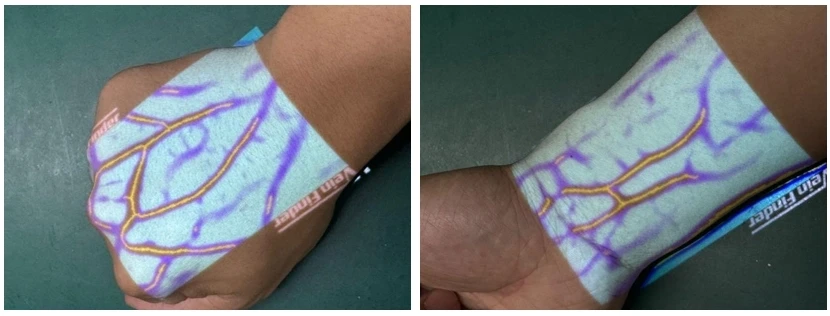
A vein finder is a cutting-edge medical device that enables healthcare providers to accurately locate veins beneath the skin’s surface. By utilizing light-based technology, vein finders significantly improve vascular visibility, making tasks like blood draws, IV placements, and venipuncture more efficient and precise. These devices are especially beneficial for patients with veins that are difficult to access, such as those with small, deep veins or for individuals in sensitive groups like pediatric patients and the elderly.
Applications of Vein Finders
IV Placements: Ensures accurate insertion of intravenous lines for medications or fluids.
Blood Draws: Enhances the precision of blood collection for tests or donations.
Venipuncture: Improves the success rate of inserting needles for vein access.
Sclerotherapy: Assists in visualizing veins for treatment, particularly in varicose vein therapy.
How Do Vein Finders Work?
Vein finders typically use infrared or near-infrared light technology to differentiate between oxygenated and deoxygenated blood in veins. This advanced imaging technology projects or displays a real-time image of the vein structure directly on the skin’s surface, making veins visible to healthcare professionals without the need for invasive techniques.
The key functionality of vein finders allows medical staff to:
Accurately locate veins: The device displays a clear, real-time visual representation of vein locations, making it easier to choose the most suitable vein for access.
Measure vein diameter and depth: Medical professionals can assess the vein’s size and position, which is crucial for determining the best point for needle insertion.
Reduce guesswork and improve success rates: With precise vein location data, there’s less trial and error during procedures.
Key Benefits of Vein Finders in Clinical Settings
1. Enhanced Patient Comfort
One of the most notable advantages of vein finders is their ability to improve the overall patient experience. These devices minimize the number of failed attempts at venous access, reducing unnecessary pain and discomfort. Patients, especially those who are particularly sensitive to needle insertion, such as children or older adults, experience less trauma and anxiety during procedures.
Fewer failed attempts: Vein finders guide clinicians to the correct vein on the first try, reducing the need for multiple needle insertions.
Gentler procedures: Less pressure and fewer sticks lead to a more comfortable experience for vulnerable patient groups.
2. Reduced Procedure Time
The faster identification of veins directly impacts the speed of clinical procedures. With the visual aid provided by vein finders, healthcare professionals can quickly locate veins, improving overall efficiency. This is especially valuable in fast-paced environments such as emergency rooms, where every second counts.
Increased efficiency: Vein finders streamline procedures, allowing healthcare professionals to quickly and accurately locate veins, reducing the time spent on each patient.
Improved patient flow: With faster procedures, clinics can handle a higher volume of patients in a shorter period, improving overall clinic productivity.
3. Improved Accuracy and Safety
Increased accuracy directly translates to better patient outcomes. Vein finders allow medical staff to more precisely position needles, minimizing the risk of complications such as hematomas, bruising, and phlebitis. By reducing human error in locating veins, these devices ensure that procedures are conducted more safely.
Reduced complications: The accuracy of vein finders reduces the likelihood of side effects like hematomas and inadvertent punctures, improving the safety of each procedure.
Optimal needle placement: Vein finders ensure that needles are inserted into the correct vein, decreasing the chances of missed veins or incorrect punctures.
4. Better Patient Satisfaction
A key goal in healthcare is patient satisfaction, and vein finders contribute significantly to this by improving the patient experience. With fewer needle sticks and quicker, less painful procedures, patients are likely to leave their appointments feeling more positive about their care.
Fewer needle sticks: The device ensures more efficient venous access, resulting in fewer attempts and less pain for the patient.
Enhanced care perception: By reducing discomfort and improving overall efficiency, vein finders enhance the quality of care patients receive.
Features of Vein Finders
Vein finders are packed with features that make them user-friendly, reliable, and versatile in clinical settings. Here are some of the key features:
Feature Description Impact on Clinical Use
Vein finders come equipped with several key features that enhance their effectiveness in clinical environments. The infrared or near-infrared imaging technology is designed to distinguish blood in veins, offering highly accurate vein mapping and visualization, which improves the precision of procedures. The portable/handheld design ensures ease of mobility, making it convenient for use in various clinical settings, whether in a busy emergency room or a smaller outpatient clinic. Additionally, vein finders boast long battery life, providing extended usage between charges, which reduces downtime and ensures the device is always ready for patient care. The multiple light modes feature allows users to adjust color and brightness levels, optimizing visibility for different skin tones and lighting conditions, further enhancing accuracy. Finally, cost-effectiveness makes vein finders affordable compared to other devices, making them accessible for smaller clinics or those with budget constraints, ensuring more healthcare providers can incorporate this advanced tool into their practice.
Choosing the Right Vein Finder
When selecting a vein finder for your clinic, consider the following factors to ensure you choose the best option for your needs:
Compact and Lightweight Design: Ideal for clinics and emergency settings, where space and quick mobility are important.
Advanced LED Technology: This provides high-contrast, clear images, even on patients with darker skin tones, ensuring all patients receive the best possible care.
Long Battery Life: A long-lasting battery ensures that the device is always operational, especially in urgent or high-volume situations.
Sterilizable Design: Hygiene is paramount in clinical environments. A device with a sterilizable design makes it easy to clean between patients, ensuring a safe and sterile procedure.
Conclusion
Vein finders represent a significant advancement in healthcare technology, offering tangible benefits for both patients and medical professionals. With their ability to improve patient comfort, enhance the accuracy of procedures, reduce procedure times, and boost overall patient satisfaction, vein finders are a revolutionary tool in modern clinical practice. Whether in pediatric care, geriatrics, or emergency situations, these devices make a real difference in the quality of healthcare delivered, ensuring better outcomes for patients and more efficient practices for healthcare providers.
For clinics seeking to enhance their services, investing in a reliable and effective vein finder is a step toward providing high-quality care and improving patient experiences.