




Table of Contents
A clinical hearing test involves more than presenting tones and recording responses. The audiometer also needs to make it easy for the operator to set up a test, monitor results, switch between test types, and record patient information without unnecessary steps. When these parts of the process work smoothly, hearing assessments can be completed with less interruption.
This is where the design and features of an audiometer become important. Different clinics may perform routine pure-tone testing, speech testing, or more specialized assessments, so the useful features are not always the same for every facility.
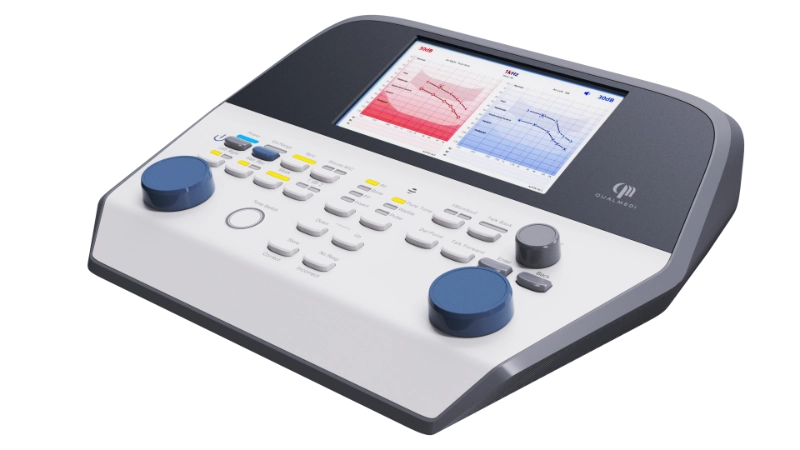
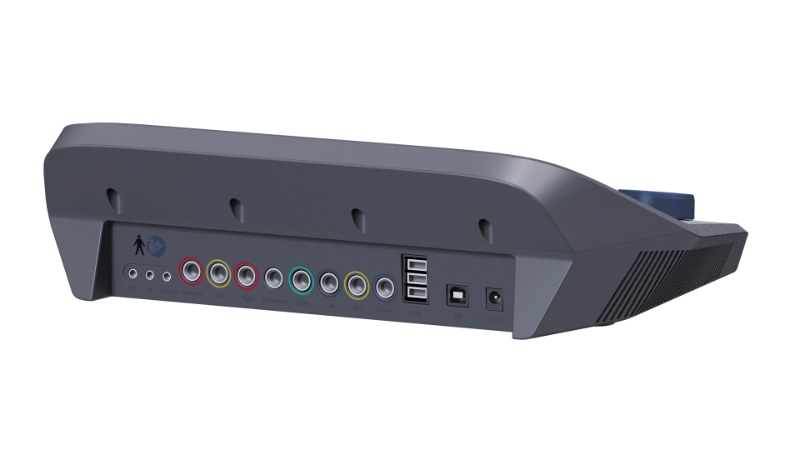
The QA700 Clinical Audiometer is designed for a range of hearing assessment tasks. It supports pure-tone and speech testing as well as special tests such as SISI, Stenger, and ABLB. It also features a 7-inch color display and supports data communication through HL7, SQL, and FTP interfaces. These functions make it suitable for clinics and medical facilities that need more than basic tone testing.
Which Audiometer Features Can Affect Testing Efficiency?
Testing efficiency is not simply about how quickly a test can be completed. The operator also needs to spend less time adjusting settings, checking results, or moving patient information between systems.
Several features can make a difference:
| Feature | How It Can Help During Testing |
| Multiple test types | Allows different hearing assessments on one device |
| Clear display | Makes test settings and results easier to check |
| Direct audiogram display | Gives the operator a visual record during testing |
| Special test functions | Avoids the need for separate equipment for certain assessments |
| Simple controls | Reduces unnecessary steps during routine testing |
| Data management | Makes patient records easier to organize |
| System connectivity | Helps transfer data to other clinical systems |
| Standalone operation | Allows testing without relying on a separate computer |
The right combination depends on the type of hearing tests performed most often.
1. Having the Right Test Types on One Device
A basic hearing assessment may only require pure-tone testing. In a clinical environment, however, additional tests may be needed depending on the patient and the purpose of the assessment.
An audiometer that supports several test methods can reduce the need to switch between different devices.
The QA700 supports pure-tone testing and speech testing, along with SISI, Stenger, and ABLB tests.
These tests serve different purposes. Pure-tone testing can be used to measure hearing thresholds, while speech testing provides information about how a patient responds to speech. Special tests such as SISI, Stenger, and ABLB can be used when a more detailed assessment is required.
Having these functions available on the same system can make the testing setup more straightforward, particularly for facilities that handle a variety of hearing assessments.
2. A Clear Display Helps During the Test
The operator needs to see the current test settings and results clearly while working with the patient. A crowded or difficult-to-read interface can slow down the process, especially when settings need to be changed several times.
The QA700 uses a 7-inch color display. A larger color interface can make menus, test information, and results easier to review during the assessment.
This is a small part of the overall system, but it can matter during repeated testing. When an audiometer is used throughout the day, easy access to information can save time from one patient to the next.
3. Audiogram Display Makes Results Easier to Follow
Hearing test results are not only about individual numbers. The way those results are displayed also matters.
A clear audiogram gives the operator a direct view of changes in hearing thresholds across frequencies. This makes it easier to review the test as it progresses instead of relying entirely on individual readings.
For clinics performing repeated hearing assessments, having the results displayed as part of the testing process can make review more convenient.
It also helps keep testing and result checking within the same workflow rather than treating them as two separate steps.
4. Special Tests Can Be Important in Clinical Work
Not every patient requires the same type of hearing assessment. Some cases call for additional tests beyond standard pure-tone audiometry.
The QA700 supports several special tests, including:
- SISI (Short Increment Sensitivity Index)
- Stenger test
- ABLB (Alternate Binaural Loudness Balance)
Having these functions available on one clinical audiometer can be useful for facilities that need to perform different assessments without changing equipment.
For a clinic, this can also simplify equipment planning. Instead of choosing one system for basic tests and another for specialized assessments, a multifunctional unit may cover a wider range of routine needs.
5. Easy Operation Matters When Tests Are Repeated
An audiometer may be used for many patients in a single day. Small delays in each test can add up.
Operators may need to change frequencies, adjust levels, switch test modes, or review previous results. If these actions require too many steps, the problem becomes more noticeable during a busy schedule.
For this reason, controls and interface design deserve attention when evaluating hearing test equipment. The goal is not to have the largest number of buttons or settings, but to make commonly used functions easy to access.
A system that is straightforward to operate can be particularly useful when several staff members share the same equipment.
6. Data Management Can Affect the Workflow
Modern hearing clinics often need to manage more than the test itself. Patient information and test results may need to be stored, reviewed, transferred, or integrated with other systems.
This is where connectivity can become important.
The QA700 supports HL7, SQL, and FTP interfaces, providing options for communication with external systems. For facilities with established digital record systems, this can be more useful than a device that operates only as an isolated testing unit.
The exact setup will depend on the facility’s existing software and IT environment, but having these communication options gives medical facilities more flexibility when planning data management.
7. Standalone and PC-Based Use Offer Different Benefits
Some facilities prefer to run hearing tests directly on the audiometer, while others may want to connect the device to a computer.
Standalone operation can be convenient for routine testing because it does not require a separate computer at the testing location. PC-based operation, on the other hand, may be useful when the clinic has a broader patient management or reporting workflow.
Having both options can make an audiometer easier to fit into different working environments.
The choice does not have to be about which method is universally better. It is more useful to consider how the clinic currently handles patient records and test results.
QA700 Clinical Audiometer: Main Features at a Glance
For buyers comparing different hearing test equipment, the following features provide a quick overview of the QA700:
| Feature | QA700 Clinical Audiometer |
| Test types | Pure-tone, speech, SISI, Stenger, ABLB |
| Display | 7-inch color display |
| Audiometry | Clinical hearing assessment |
| Operation | Standalone / PC management |
| Data interfaces | HL7, SQL, FTP |
| Special tests | SISI, Stenger, ABLB |
| Application | Clinical hearing testing |
The combination of standard and special testing functions allows the QA700 to cover a wider range of hearing assessment requirements without making the user rely on several separate systems.
How Should Clinics Evaluate Audiometer Features?
When choosing a clinical audiometer, it is easy to focus on the specification list. A better starting point is to look at how the equipment will actually be used.
For routine hearing tests
Prioritize the functions used every day, such as pure-tone testing, clear result display, and simple operation.
For clinics performing different types of assessments
A device with speech testing and special tests may be more useful than a basic pure-tone audiometer.
For facilities using electronic patient records
Data interfaces and PC management can become important, especially when test results need to be transferred to other systems.
For shared equipment
If several operators use the same machine, an intuitive interface can make training and daily operation easier.
For busy testing environments
Look for features that reduce repeated manual steps. Clear menus, quick access to common functions, and straightforward result review can have a noticeable effect over a full working day.
The point is not to choose the audiometer with the longest feature list. It is to find the functions that match the tests and workflow of the facility.
What Can Make Hearing Testing More Efficient?
In practice, efficiency often comes from several small improvements rather than one major feature.
A suitable hearing test equipment setup should allow the operator to:
- Select the required test without unnecessary setup.
- Adjust test parameters easily.
- See the current results clearly.
- Switch between different test types when needed.
- Record or manage patient information efficiently.
- Transfer data when integration with other systems is required.
When these steps are handled within one system, the operator can spend more time on the patient and less time dealing with the equipment.
Frequently Asked Questions
1. What is the most important feature of an Audiometer?
It depends on how the device will be used. For routine testing, accurate tone presentation, clear results, and easy operation are important. Clinics performing more advanced assessments may also need speech and special test functions.
2. Why would a clinic need special tests such as SISI or Stenger?
These tests can provide additional information in certain hearing assessments. Whether they are needed depends on the clinic’s testing requirements and the types of patients being assessed.
3. Does a clinical audiometer need to connect to a computer?
Not necessarily. Standalone operation can be sufficient for some facilities. PC connectivity becomes more useful when the clinic needs electronic data management, reporting, or integration with other systems.
4. Why are HL7 and SQL interfaces useful?
They can support communication between the audiometer and external information systems. This may be useful for facilities that already use digital patient records or other clinical software.
5. Is a 7-inch display important for hearing testing?
Display size is not the only factor, but a clear, appropriately sized screen can make test settings and results easier to view. This can be especially useful when the device is used repeatedly throughout the day.
Conclusion
The features of an audiometer can have a direct effect on how smoothly hearing tests are performed. Test types, display design, special assessment functions, operation methods, and data connectivity all play a role.
For facilities that only perform basic hearing tests, a straightforward system may be enough. Clinics with a wider range of assessments or digital data requirements may benefit from a more capable clinical audiometer.
The QA700 combines pure-tone and speech testing with SISI, Stenger, and ABLB functions, along with a 7-inch color display and HL7, SQL, and FTP connectivity. This range of features gives clinics and medical facilities more options when building a hearing assessment workflow.
Rather than judging a device only by the number of functions it offers, it makes more sense to ask a simple question: Will these features make the tests we perform every day easier to carry out and manage?
That is often the most useful way to evaluate hearing test equipment before purchase.